
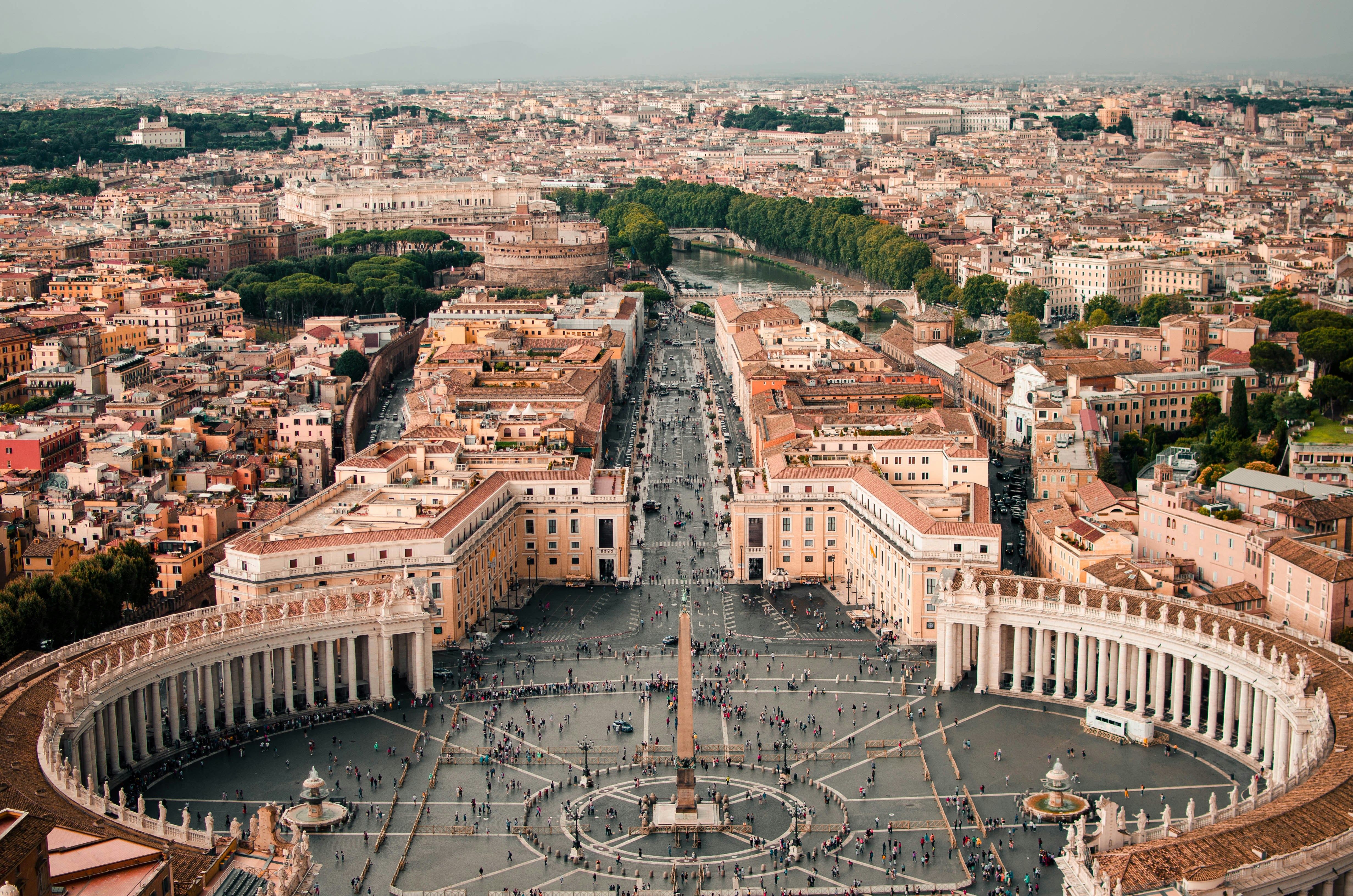
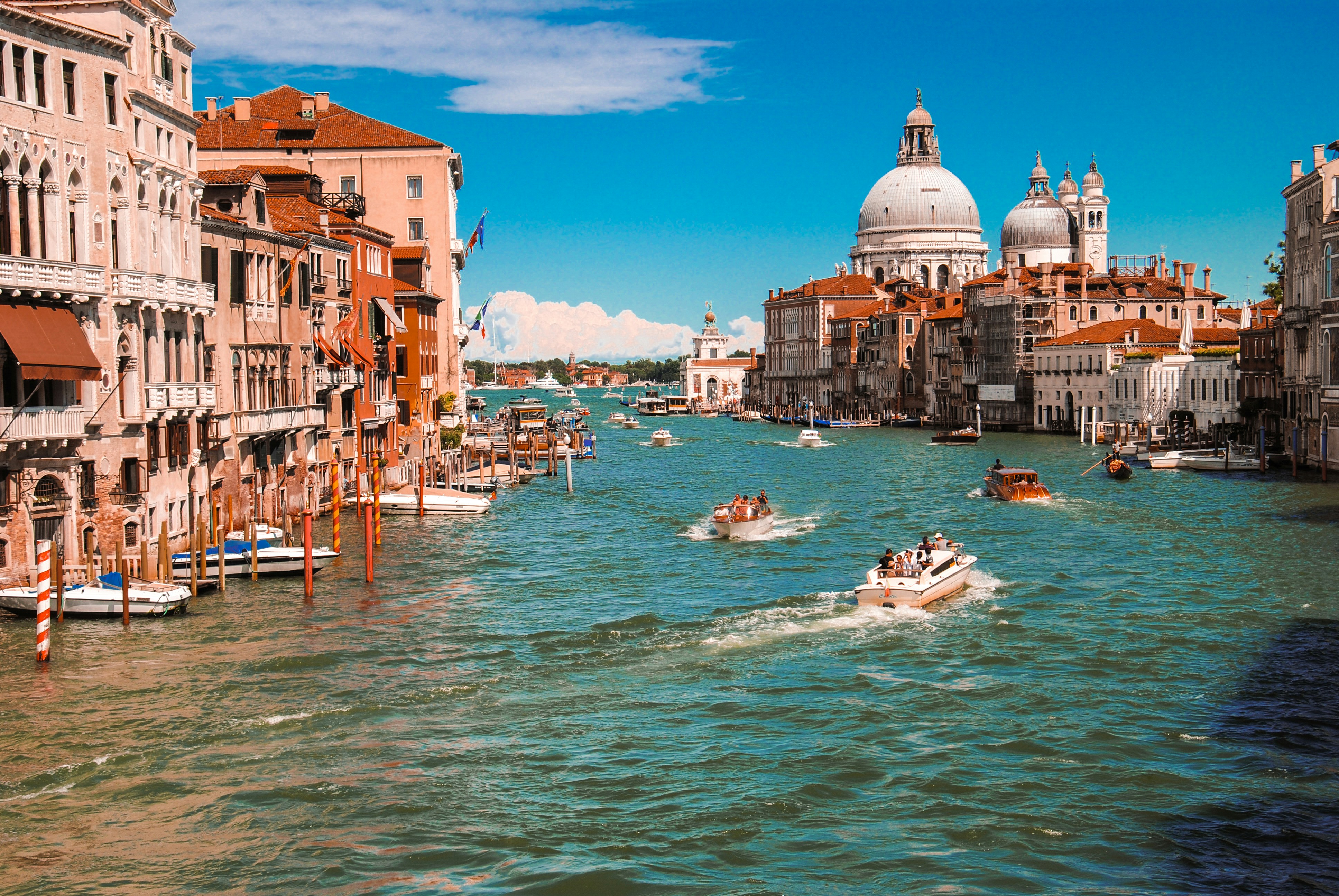
Italy is one of those destinations people think they already understand before they've ever gone. They know they want Rome, Florence, Venice, maybe the Amalfi Coast, maybe a villa in Tuscany, maybe a few extra nights on the water somewhere beautiful. The problem isn't a lack of ideas. It's that Italy gives you too many good ones.
That's why planning a trip to Italy isn't really about choosing the most famous places. It's about figuring out how you actually want the trip to feel. Fast-paced or slower. City-heavy or balanced with countryside. Hotel-hopping or more anchored in one or two bases. Italy can do almost anything well, but it doesn't do "everything at once" well.
Start With Pace, Not a Checklist
One of the biggest planning mistakes people make with Italy is trying to see too much in one trip. On paper, Rome, Florence, Venice, the Amalfi Coast, Tuscany, and Lake Como can all look like obvious adds. In practice, trying to fit them all into one itinerary often turns Italy into a constant series of transfers, check-ins, and train schedules.
A better place to begin is with the pace you want. Do you want a trip built around museums, architecture, and food-focused city days? Do you want time to linger at long lunches and come back to the same hotel each night? Do you want scenery and relaxation to matter as much as sightseeing?
Once you answer that, the route usually becomes much clearer.
Choose Regions That Work Together
Italy is wonderfully varied, but not every pairing makes sense for every trip. Some regions flow together naturally, while others are better saved for a separate journey.
- Rome + Florence + Venice works beautifully for a classic first trip.
- Florence + Tuscany countryside is ideal for travelers who want culture and slower luxury.
- Rome + Amalfi Coast gives you history, city energy, and coastal downtime.
- Milan + Lake Como works well for a shorter, more polished northern Italy trip.
What usually works less well is trying to combine northern cities, southern coastlines, and countryside stays all in the same short itinerary. Italy is compact compared to some destinations, but it still rewards focus.
Hotels Matter More in Italy Than People Expect
In Italy, the hotel isn't just where you sleep. It's part of the atmosphere of the trip. A great hotel in Florence can shape how you experience the city. A poorly chosen hotel in Venice can turn every day into an inconvenient walk. A beautiful property on the Amalfi Coast can make you want to stay put for hours at a time, which is exactly the point.
This is also where Italy can be tricky. A hotel can look amazing online but be in the wrong neighborhood, require too many stairs, feel far from the part of the city you want to spend time in, or be better for first-time tourists than for the kind of traveler who wants quieter, more refined options.
Matching the right hotel to the way you travel is one of the biggest value adds in Italy planning.
Think Hard About Season
Italy is beautiful year-round, but that doesn't mean every season feels the same. July and August bring heat, crowds, and high demand. Spring and fall are usually the easiest answers for travelers who want better weather and a less frantic experience. Winter can be excellent for cities if you don't mind cooler temperatures and want a quieter feel.
Shoulder season is usually where Italy really shines. April, May, late September, and October tend to offer the best mix of weather, availability, and pace. That's especially true for travelers who care about dining, walking, and staying in properties that feel special rather than just convenient.
Transportation Is Part of the Experience
Italy's train network can be excellent, and in many cases it's the smartest way to move between major cities. But not every part of Italy is best done by train. Some regions work better with a private driver, especially if you're combining countryside stays with wineries, hill towns, or hotels that aren't close to a station.
This is another place where the shape of the trip matters. A route can look efficient on a map and still feel clunky in real life if you're changing hotels too often or arriving at destinations at awkward times. Smooth logistics are part of why one Italy trip feels effortless and another feels like work.
Leave Space for Italy to Be Italy
The most memorable parts of Italy often aren't the rigidly scheduled ones. They're the afternoons that run long, the restaurant you return to because dinner was so good, the hour spent wandering without a plan, the view from a hotel terrace that makes you cancel your next idea because you don't want to leave yet.
That's why overplanning Italy can backfire just as much as underplanning it. You want structure, but you also want room for spontaneity. That's especially true if the trip is meant to feel romantic, celebratory, or restorative rather than purely checklist-driven.
Who Italy Is Best For
Italy works for a huge range of travelers, but it's especially strong for couples, anniversary trips, adult family travel, food and wine lovers, first-timers to Europe, and travelers who want a destination that feels both iconic and personal when it's done well.
It's also one of the destinations where custom planning makes a visible difference. The right hotel, the right route, the right pace, and the right season can completely change how the trip feels.
Ready to Plan Your Italy Trip?
Tell me your dates and travel style, and I'll help build the right itinerary.
About the Author

Lauren Cain is a luxury travel advisor specializing in custom trips for adult travelers who'd rather show up than spend forty hours planning. Lauren builds itineraries around how her clients actually like to travel, not a generic template. Every trip is completely custom, completely free to plan, and completely handled. Learn more about working with Lauren.