
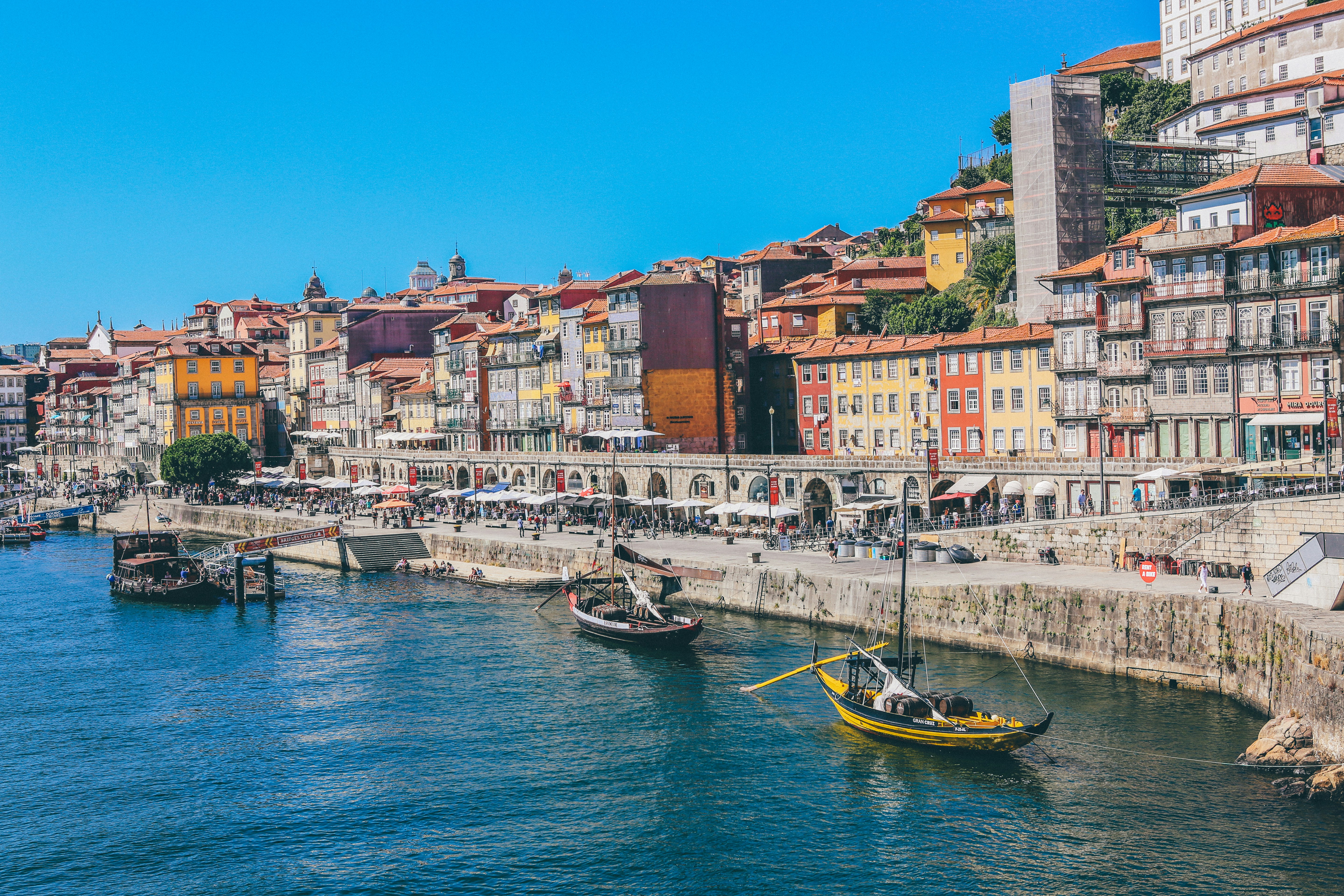
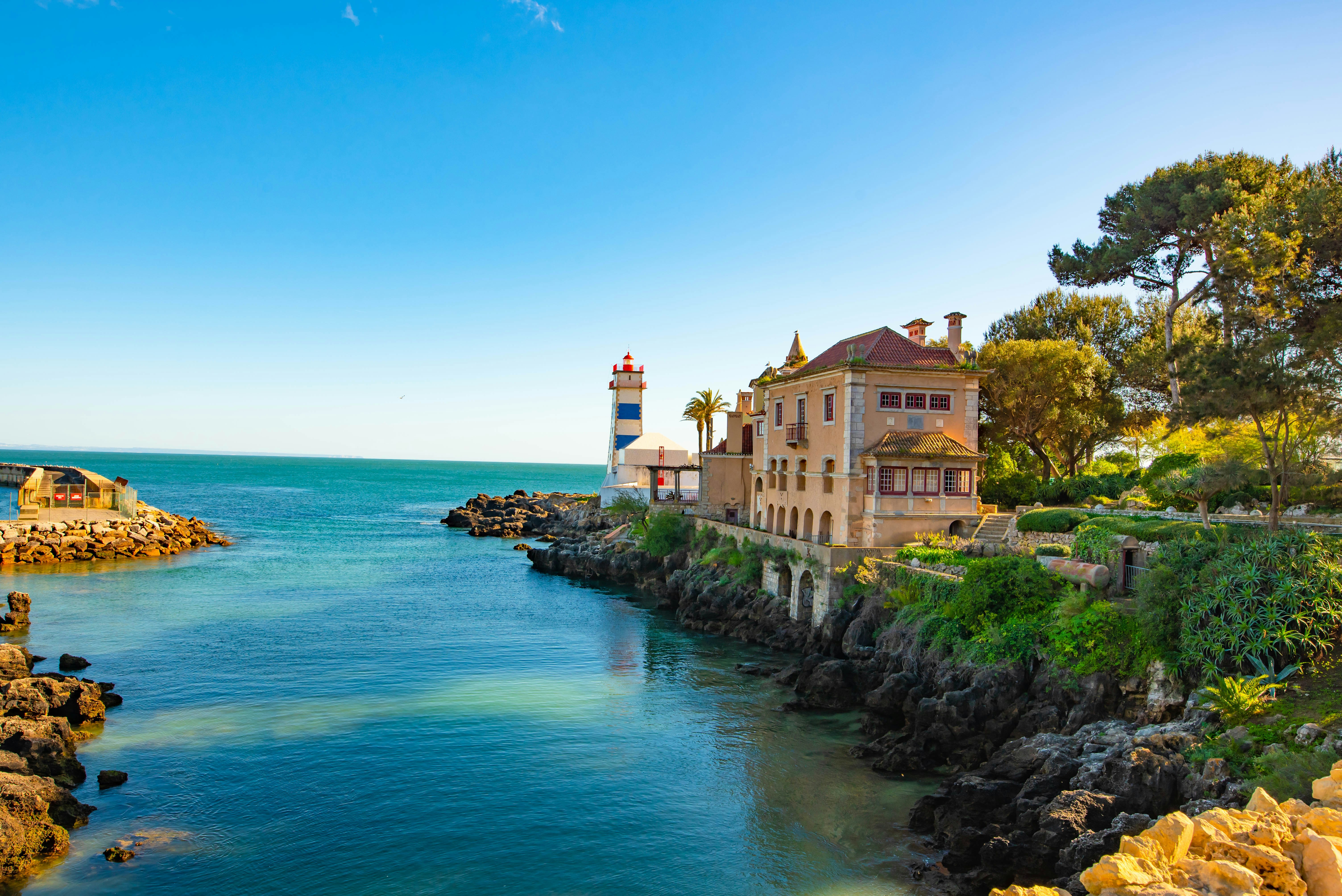
Every September, a quiet thing happens in Portugal. The summer crowds evaporate, the temperatures drop to exactly where they should be, and the entire country exhales. The hillsides above the Douro Valley turn gold. The streets of Lisbon become walkable again. A bottle of wine at a riverfront quinta costs what it should cost. And the travelers who planned ahead are the only ones who know any of this is happening.
Portugal in the fall is one of the most consistently underbooked windows in European travel, and that gap between what it offers and what most people know about it is closing fast. Search interest for Portugal is climbing fast heading into 2026, and the travelers driving that interest aren't first-timers chasing budget flights to Lisbon. They're experienced adults who've already done Paris and Rome and are now asking a better question: where can I go in Europe in the fall and actually feel like I have the place to myself?
The answer, more often than not, is Portugal.
Why Fall Is Portugal's Best Season (And Why Most People Miss It)
The shoulder season window in Portugal runs from mid-September through October, and it delivers something that's hard to find in popular European destinations at that time of year: great weather, manageable crowds, and pricing that hasn't yet caught up with the quality of the experience.
Daytime temperatures in Lisbon sit comfortably in the low-to-mid 70s Fahrenheit through October. Porto runs a few degrees cooler but remains thoroughly pleasant. The Douro Valley, which bakes in August heat that can push past 100 degrees, becomes a completely different destination by September, warm enough for outdoor dining on a terrace above the vines, cool enough to actually enjoy walking through them.
The rain doesn't typically arrive until November, which means the fall window isn't a weather compromise. It's a straight upgrade over summer on almost every metric that matters to the kind of traveler who cares where they stay and what they eat.
What you gain in fall: fewer people at every monument and restaurant, better availability at top properties, lower rates on flights and accommodations, and the added bonus of arriving during one of the most visually spectacular seasons the country produces.
The Douro Valley in Harvest Season: The Experience You Did Not Know You Were Missing
If there's one reason to visit Portugal specifically in the fall, it's the Douro Valley grape harvest, known locally as the vendemmia, which runs through September and into October depending on the year.
The Douro is a UNESCO World Heritage site, and the terraced vineyards that climb its steep hillsides have been producing port wine for centuries. In harvest season, those vineyards go from scenic to actively extraordinary. Workers move through the hillsides hand-cutting clusters of grapes. Quintas, the traditional wine estates along the river, open their doors for tastings, cellar tours, and harvest dinners that are the kind of meal you describe to people for years afterward.
This isn't a manufactured agritourism experience. It's the actual harvest, happening around you, at some of the oldest wine estates in Europe.
The most indulgent way to see it is from the water. A Douro river cruise in September or October gives you the harvest scenery from the river itself, with port stops in Porto, Regua, Pinhao, and the option to cross into Spain to visit Salamanca. Ships on the Douro are small by design, typically carrying around 100 guests, which means the experience feels intimate rather than processed. You unpack once and wake up somewhere new every morning, which is the part river cruisers consistently say they didn't expect to love as much as they do.
Lisbon in the Fall: The City Finally Has Room for You
Lisbon in July and August is a city under siege. The trams are packed, the viewpoints are elbow-to-elbow, and the restaurants worth going to require reservations you probably didn't make three months ago.
Lisbon in October is something else entirely.
The light in Lisbon in the fall is one of those things travel writers keep trying to describe and never quite get right. The city is built on seven hills and faces west toward the Atlantic, which means the late afternoon sun hits the terracotta rooftops and the azulejo-tiled facades at an angle that photographers specifically schedule their trips around. In October, that light arrives at 6pm instead of 8pm, which means you can watch it happen over a glass of wine at a miradouro viewpoint without fighting through a crowd to find a spot.
The Alfama neighborhood, Lisbon's oldest and most atmospheric quarter, is a maze of narrow streets, fado music venues, and small restaurants that operate best when they aren't overwhelmed. In fall, they aren't overwhelmed. The castle of Sao Jorge is walkable without the summer queue. The National Tile Museum, which is one of the best museums in Europe and which almost nobody talks about, can be visited at a human pace.
Lisbon also works beautifully as a pre- or post-cruise add-on for travelers doing a Douro river cruise, since most itineraries begin or end in Porto, which is two hours north by train or a short flight.
The Land Tour Case: Portugal Is Not Just a Cruise Destination
For travelers who prefer to stay on solid ground, Portugal in the fall is equally strong as a land-based itinerary, and it lends itself particularly well to small group touring.
A well-designed Portugal land tour in October might move through Lisbon, up to the Douro Valley for harvest season, across to the medieval city of Evora in the Alentejo wine region, and finish in Porto, a city that earns its reputation as one of the most walkable and visually compelling in all of Europe. That itinerary covers wildly different landscapes, cuisines, and experiences within a country small enough that none of the drives feel punishing.
The Alentejo region deserves a specific mention here because it remains overlooked even among experienced travelers. It's wine country that operates at a slower pace than the Douro, centered around cork oak forests, whitewashed villages, and estates producing some of the most interesting reds in the country. In fall, the olive harvest overlaps with the grape harvest, and the food that comes out of that region during that window is the kind of thing food travelers specifically book trips around.
Portugal also has a practical advantage for American travelers that's worth naming directly: it's one of the easiest countries in Europe to navigate without a guided tour if you prefer independence, but it's also compact and varied enough that a well-designed small group itinerary adds real value over doing it alone. Travelers comparing Portugal with other shoulder-season Europe ideas may also want to read what to know before planning a trip to Italy.
What Books First and Why You Should Not Wait
Portugal's surge in search interest isn't a future trend. It's happening now, and the properties and sailings that deliver the fall experience worth having aren't unlimited.
Douro river cruise harvest-season departures, specifically the September and October sailings, are the first to fill on any itinerary. The harvest window is narrow by nature, and demand for it has grown consistently year over year. If a Douro sailing in fall 2026 is on your list, that conversation should be happening now, not in August.
On the land side, the boutique properties in Lisbon and the quintas in the Douro Valley that actually put you inside the harvest experience operate at small scale by design. They don't have 200 rooms. They have 20. And those 20 rooms in October aren't sitting empty.
The good news is that Portugal in the fall still represents exceptional value relative to other European destinations at peak season. You're getting a better version of a country that's already excellent, at a lower price point than you'd pay for a more crowded experience somewhere else. That math works in your favor, but only if you move on it.
Ready to Put Portugal on the Calendar?
Whether a Douro river cruise, a Lisbon and land tour combination, or a fully custom Portugal itinerary is the right fit depends entirely on how you like to travel, and that's exactly the kind of conversation I'm built for.
I plan custom Portugal trips for adult travelers who want the experience handled properly, from the right properties to the right timing to the details that actually make the difference. No planning fees. No generic itineraries pulled from a template. Just a trip built around you.
Best For
Travelers looking for shoulder-season Europe, adult-focused itineraries, Douro river cruises, boutique stays, and a more relaxed way to experience Portugal.
Ready to Plan Your Fall Portugal Trip?
Tell me your dates, and I'll help you find the right sailing or itinerary before the season fills up.
About the Author

Lauren Cain is a luxury travel advisor specializing in custom trips for adult travelers who'd rather show up than spend forty hours planning. Lauren builds itineraries around how her clients actually like to travel, not a generic template. Every trip is completely custom, completely free to plan, and completely handled. Learn more about working with Lauren.