 Lauren Cain
Independent Travel Advisor with Travels by Danielle
Lauren Cain
Independent Travel Advisor with Travels by Danielle
European River Cruises
Unpack once. Wake up somewhere new every morning. Europe done properly.
Why River Cruising Is the Best Way to See Europe
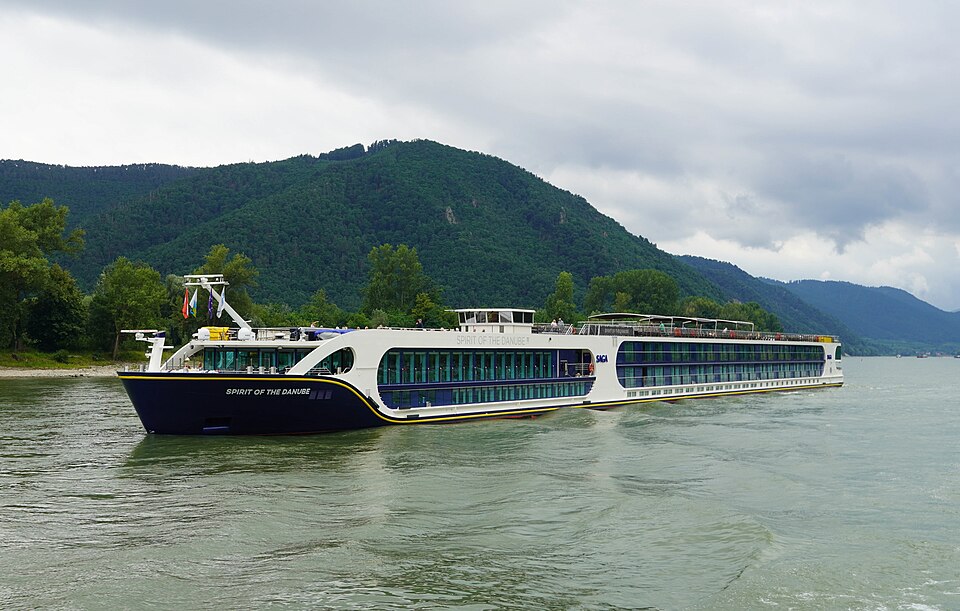
River cruising has a simple value proposition: you unpack once, you sleep in the same comfortable cabin every night, and you wake up in a different city or village every morning. The ship is your hotel, your restaurant, and your transportation, and the experience of watching European countryside glide past your window with a coffee in hand is hard to replicate any other way.
The scale difference between ocean and river cruising is significant and worth understanding. River ships carry between 100 and 190 guests, which means the experience stays intimate. Dining is typically open seating at flexible times, excursions are included, and the quality of what's included has improved substantially across the major lines.
The river itself determines the character of the trip more than any other variable. The Rhine through castle country is different from the Danube through Vienna and Budapest, which is different from the Douro through Portuguese wine country. Choosing the right river for how you like to travel is the most important decision in the booking process, which is exactly what I break down in this comparison of the Rhine, Danube, and Douro.
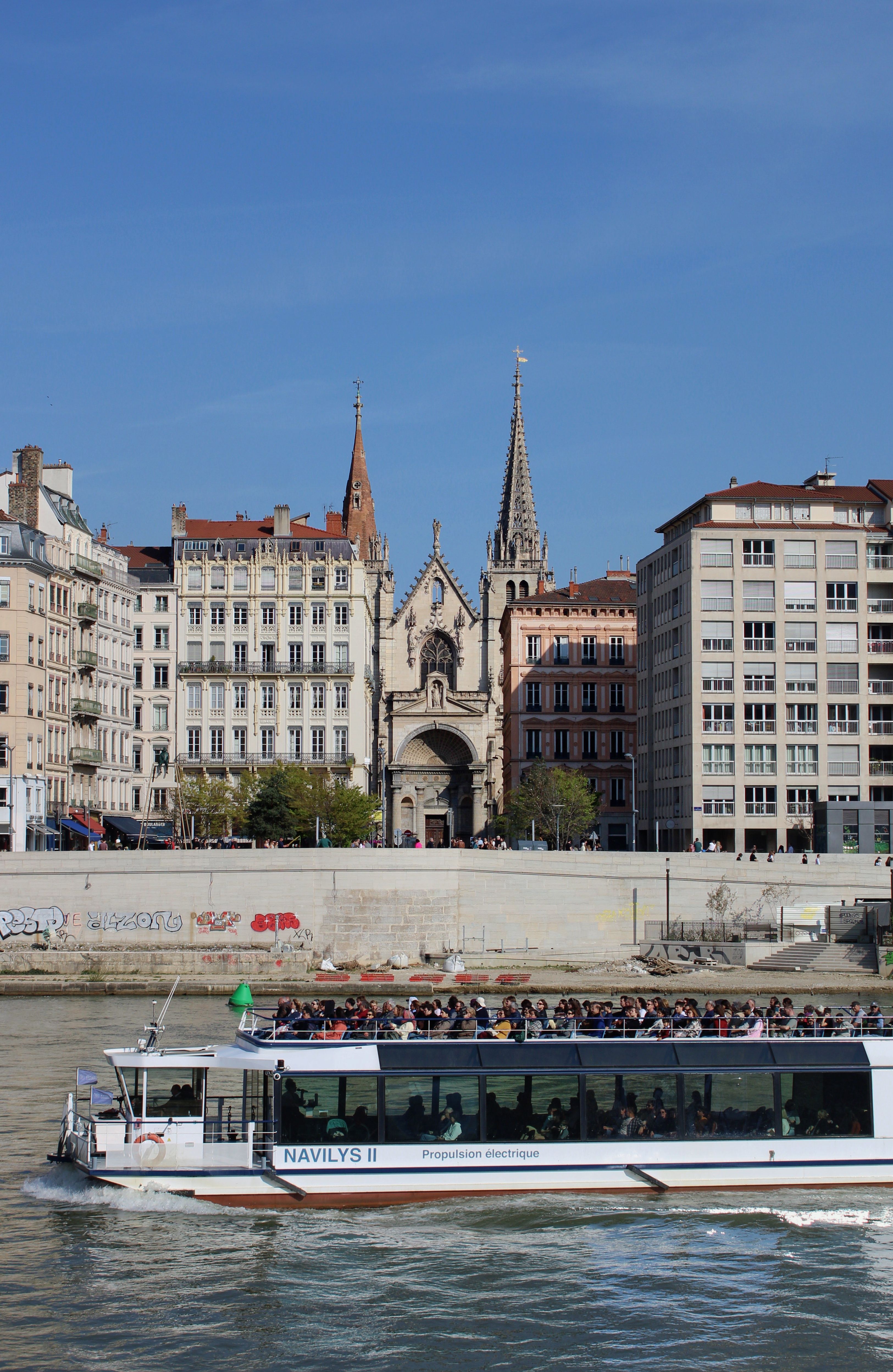
Evenings on a river cruise are among the most enjoyable in travel.
Best Time for a European River Cruise
Harvest Season
Douro and Moselle in peak harvest. Rhine foliage season. Possibly the best window on any European river. Book 9 to 12 months ahead.
Spring
Flowers in bloom, pleasant temperatures, and lower rates than summer. A strong window on all routes.
Summer
Warm and lively. Peak season with peak pricing. Popular with first-time river cruisers. Book well ahead.
Christmas Markets
The most sought-after window in river cruising. Danube and Rhine sailings sell out 12 months in advance. Don't leave this one late.
Christmas market river cruises are the most time-sensitive booking in my entire calendar. The best sailings on the Danube and Rhine in December sell out by January for the following year. Every season I have clients reach out in October asking about December and I have to deliver bad news. If Christmas markets are on your list for any year, that conversation should be happening right now. The same timing pressure applies to fall Douro sailings in Portugal, which disappear early too.
The Rhine: Castle Country and Vineyard Villages
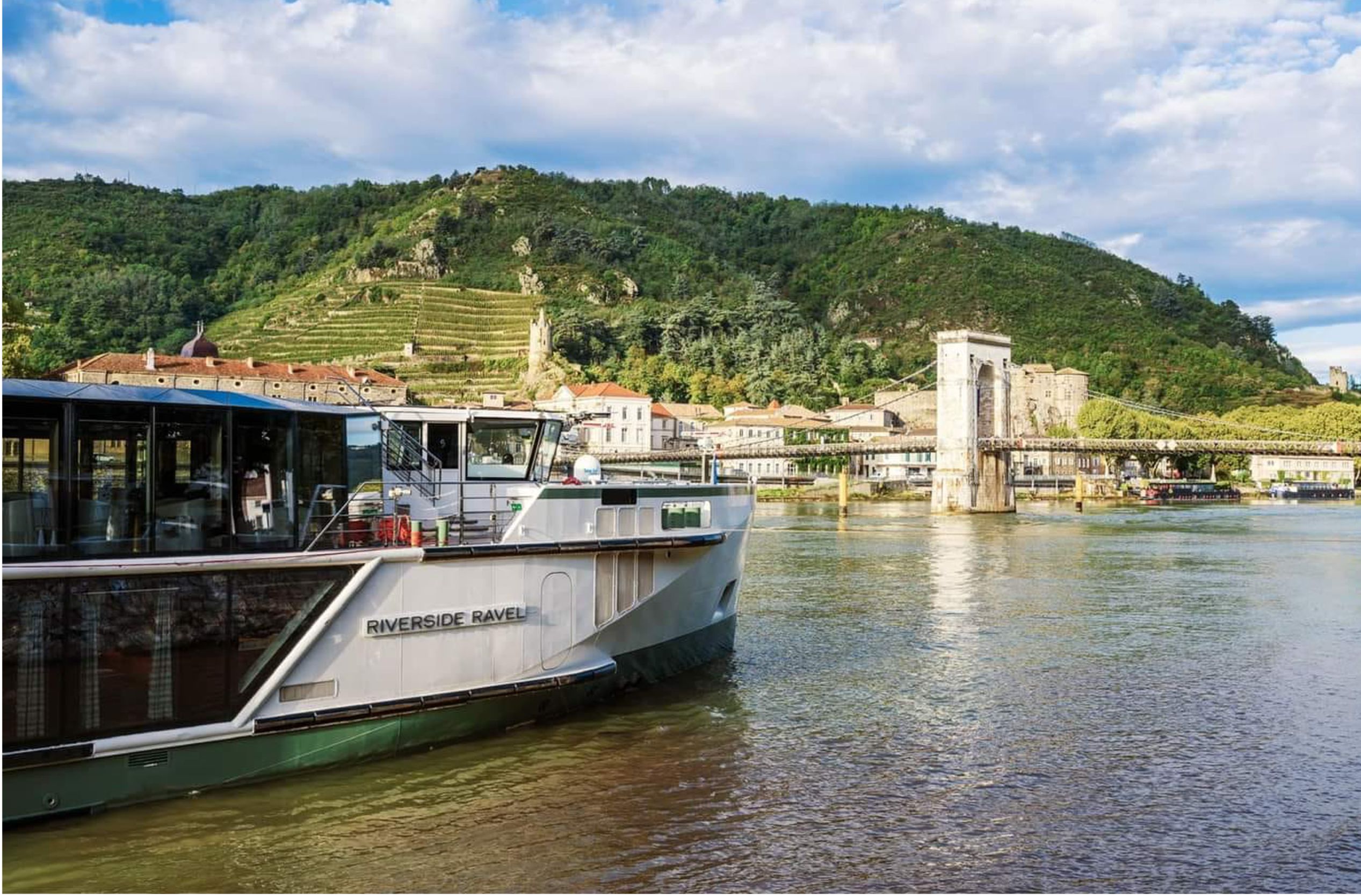
The Rhine is the most popular river cruise route in Europe, and it earns the distinction. The Middle Rhine Gorge between Koblenz and Bingen is a UNESCO World Heritage site lined with medieval castles, steep vineyard hillsides, and small wine villages that produce some of Germany's finest Riesling. The scenery is particularly extraordinary in October when the vines turn gold.
Ports on a Rhine itinerary typically include Amsterdam or Basel as the embarkation point, with stops in Cologne, Rudesheim, Speyer, and Strasbourg. It's a route with exceptional variety and it works particularly well for first-time river cruisers.
The Danube: Vienna, Budapest, and the Imperial Heartland
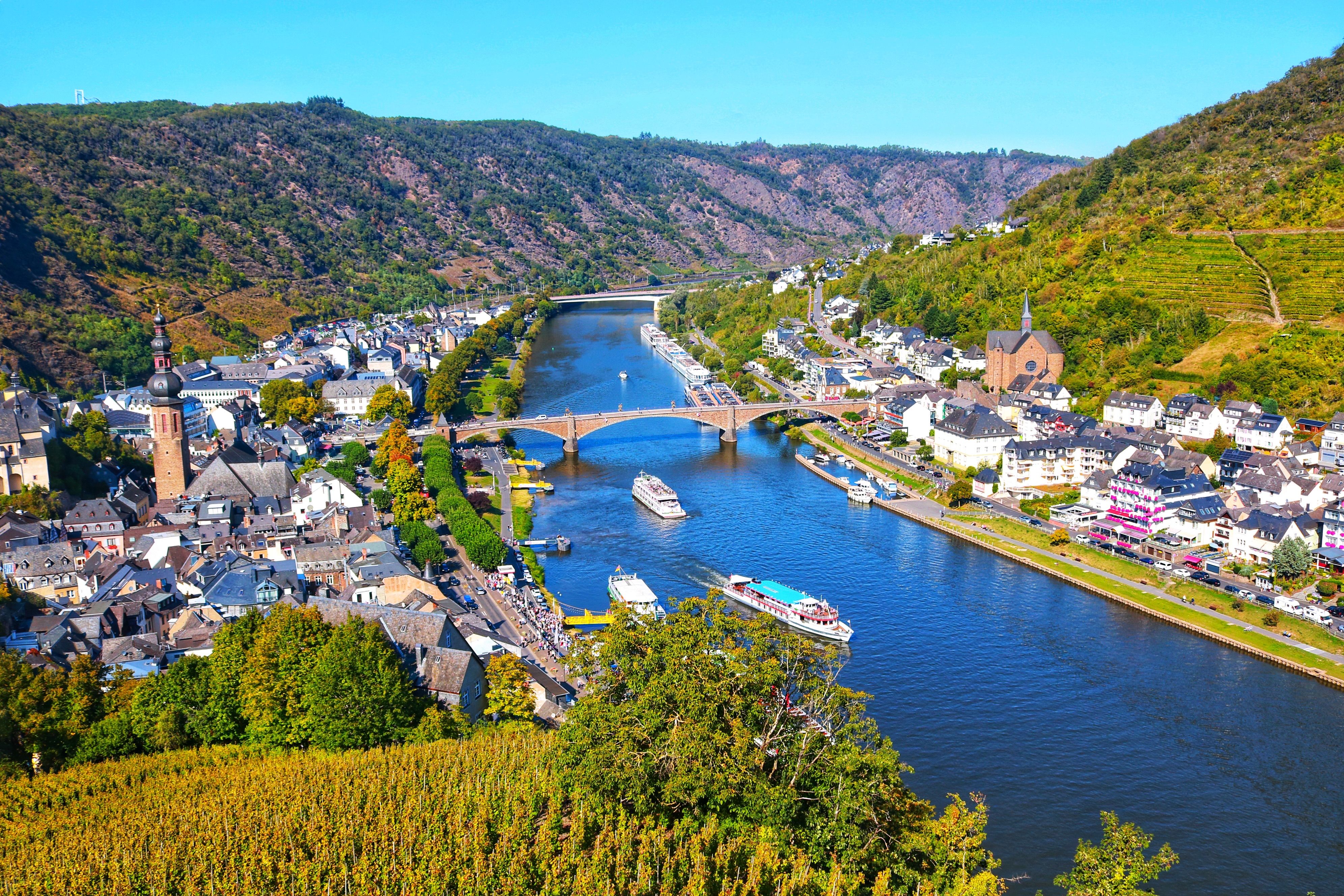
The Danube passes through more capital cities than any other river cruise route in Europe: Vienna, Bratislava, and Budapest are all on the standard itinerary, along with stops in the Wachau Valley wine country and the medieval towns of Melk and Durnstein. It's a route that delivers exceptional architecture, music, and cuisine at every port.
Budapest in particular is consistently cited by returning river cruise clients as the single most impressive city stop on any European route. The Parliament building illuminated at night from the deck of a ship on the Danube is the kind of moment that gets people to book the same trip again for their friends.
Related Guides
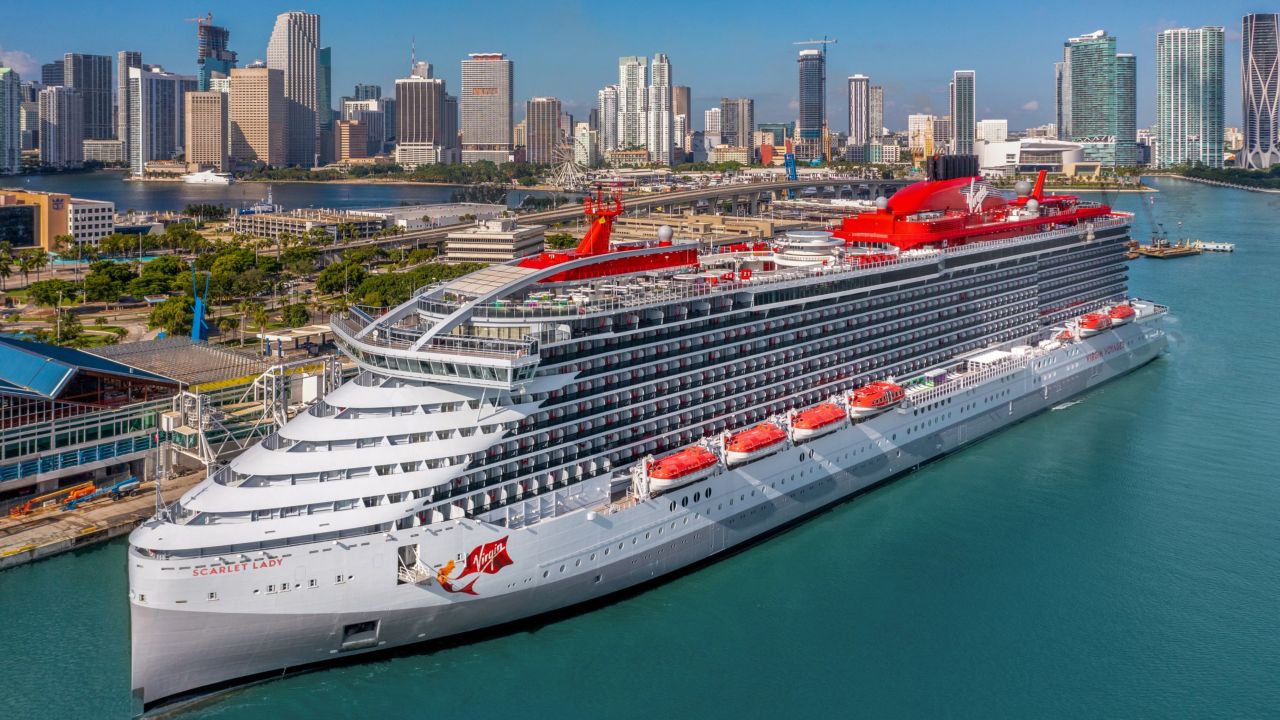
What to Know Before Booking an Adults-Only Cruise
Read the guide →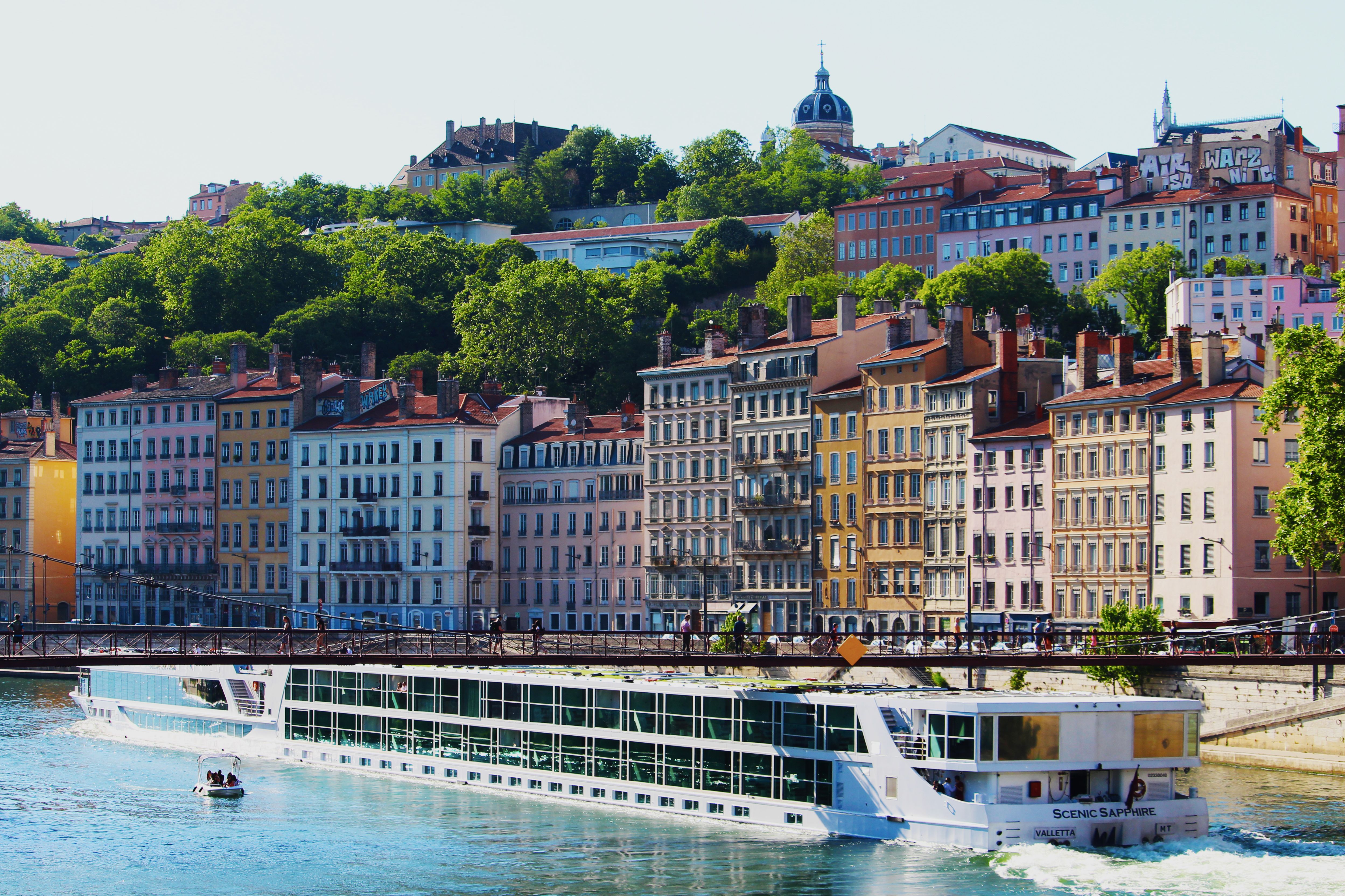
European River Cruises: Rhine vs. Danube vs. Douro
Read the guide →Why a River Cruise Is the Best Way to See Europe's Christmas Markets
Read the guide →Solo River Cruising in Europe: What to Expect
Explore options →Ready to Plan Your European River Cruise?
From choosing the right river and cruise line to timing, cabin selection, and pre and post cruise extensions, I handle the details. No planning fees, ever.