 Lauren Cain
Independent Travel Advisor with Travels by Danielle
Lauren Cain
Independent Travel Advisor with Travels by Danielle
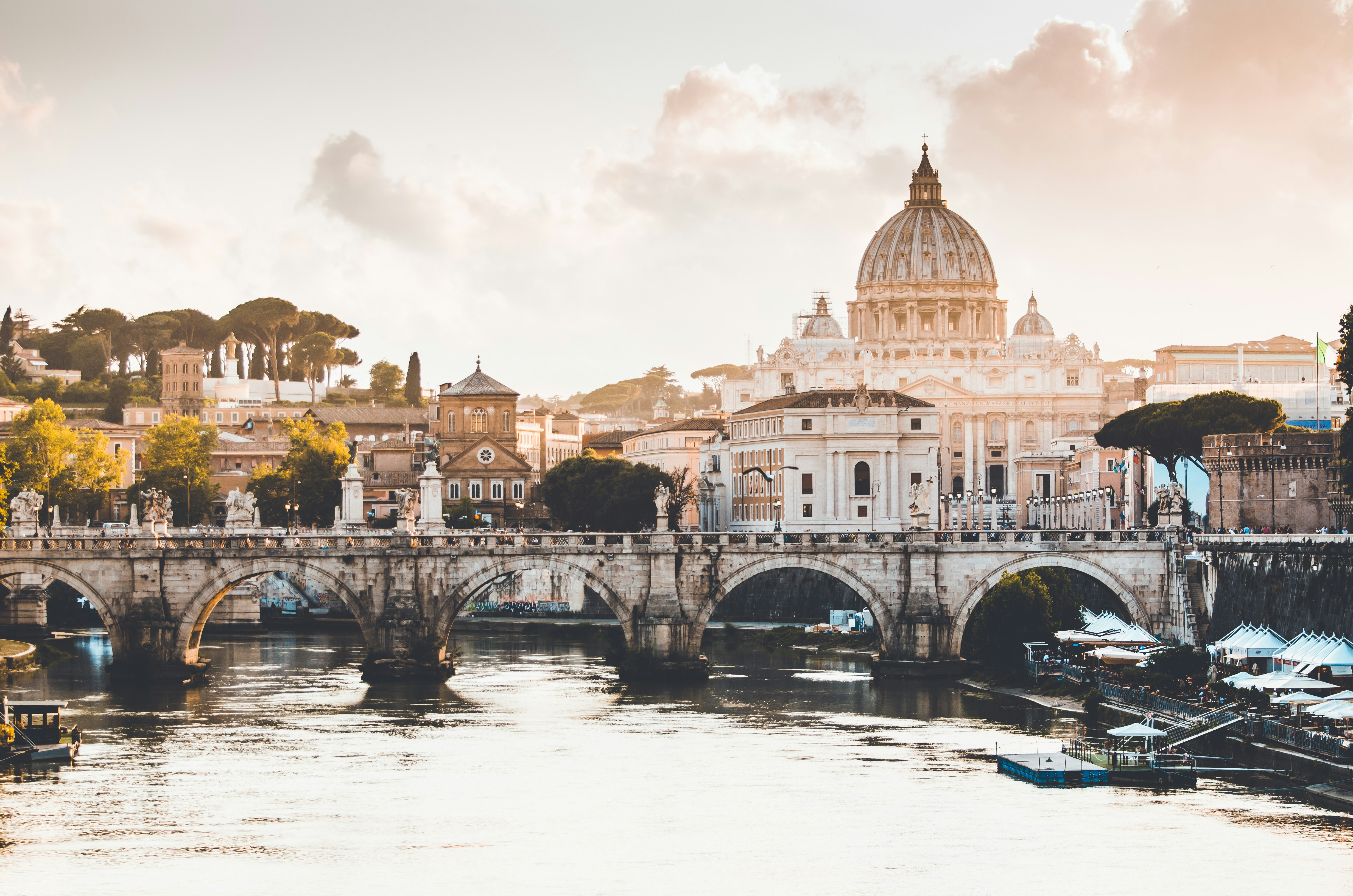
Italy
The world's most beloved destination, done properly, which means knowing when to go, where to stay, and what to skip.
Italy: The Country That Rewards the Traveler Who Plans Ahead
Italy is the most visited country in Europe for good reason. The problem is that everyone visits the same places at the same time, which is how you end up queuing at the Colosseum in 98-degree heat wondering why nobody warned you. The version of Italy worth having requires a bit more intention, and it's extraordinary.
May and the shoulder season months of September and October are when Italy performs at its best for the experienced traveler. The light in Tuscany in October, the Amalfi Coast before the yacht crowd arrives in July, and the truffle season in Umbria that most people don't even know exists are the Italy experiences that people describe as life-changing, and they're accessible with the right planning.
The other thing worth knowing: Italy rewards slow travel. The traveler who spends four nights in one Tuscan property, takes day trips, and eats at the same trattoria twice gets a completely different experience than the person covering six cities in ten days. I plan for the former.
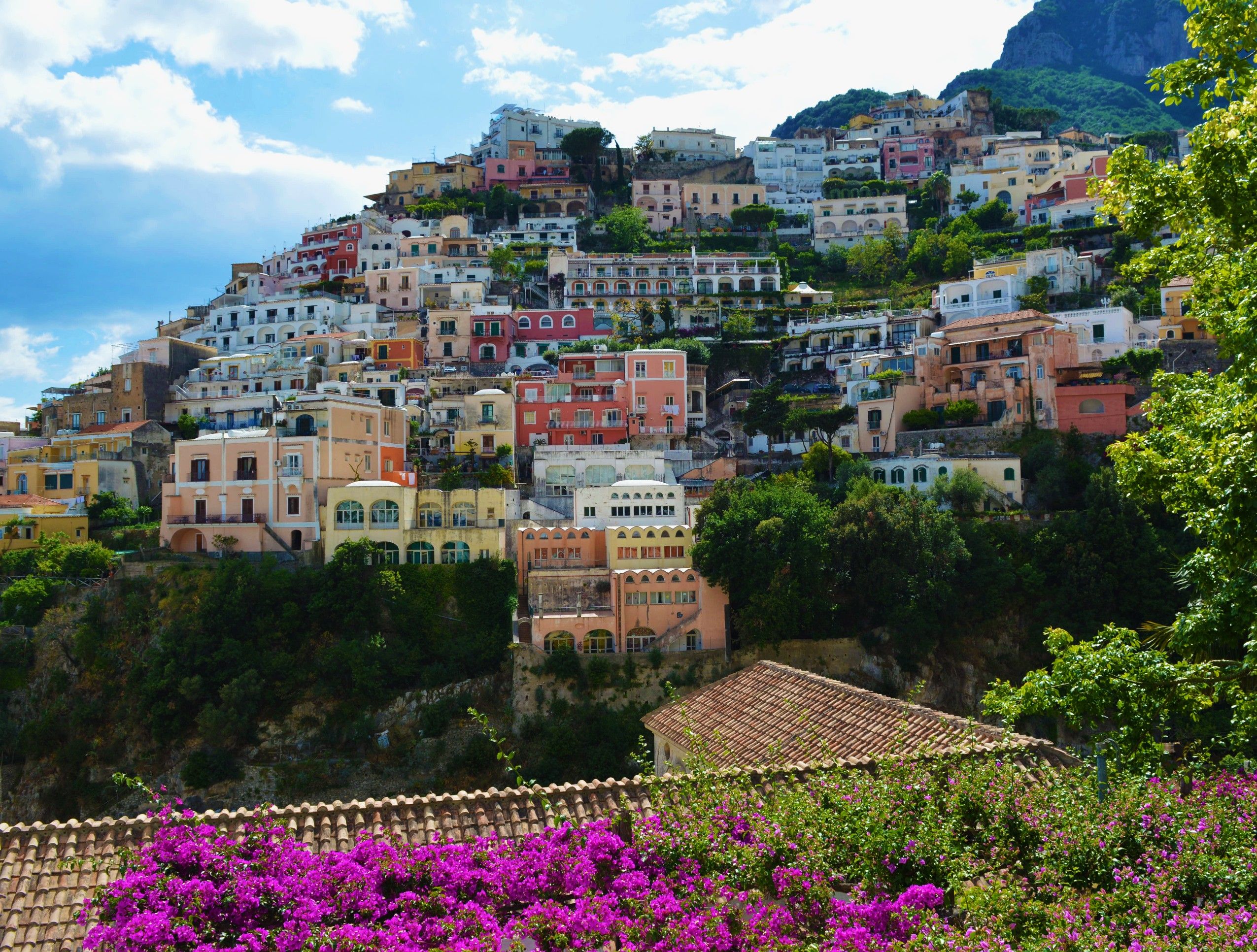
The Amalfi Coast before peak season belongs to an entirely different category of experience.
Best Time to Visit Italy
April to May
Mild, green, and uncrowded relative to summer. Wildflowers in Tuscany. The last window before prices spike and crowds arrive. Book accommodations well ahead.
June to August
Peak season everywhere. Hot, expensive, and crowded, particularly in Rome, Florence, and the Amalfi. Manageable with the right properties and early bookings.
September to October
Harvest season in Tuscany and Umbria. The Amalfi quiets down. Rome is walkable again. October may be the best single month in all of Italy.
November to February
Low season in most regions. Excellent for cities like Rome, Florence, and Naples. Fewer tourists, lower rates, and no queues. Skip the coast and lakes.
The single most common Italy mistake I see is trying to cover too much ground. Rome, Florence, Venice, and the Amalfi in ten days sounds like a highlight reel but feels like a relay race. Pick two or three regions and actually be there. You'll come home with a completely different experience.
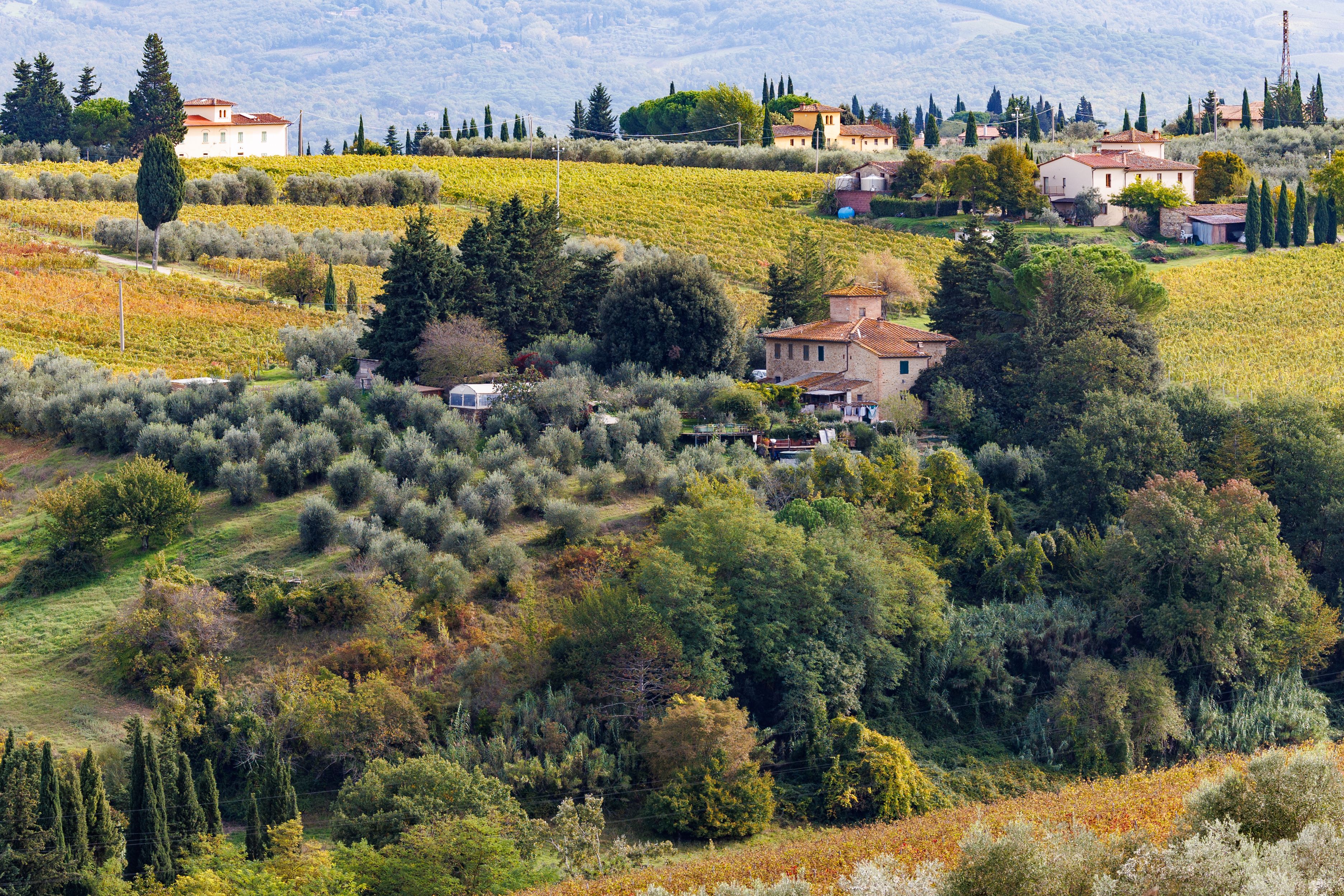
Tuscany: The Italy Most People Are Actually Picturing
Rolling hills, cypress-lined roads, wine estates, truffle hunts, medieval hill towns, and farmhouse properties that make you want to rethink your entire life. Tuscany is exactly what people imagine when they imagine Italy, and the real thing lives up to it, especially in May or October when the crowds thin and the light is golden and cooperative.
The best Tuscany experiences are based in one place: a villa, an agriturismo, or a boutique hotel in the countryside, with day trips radiating outward to Siena, San Gimignano, and Montepulciano. That's the version worth planning for.
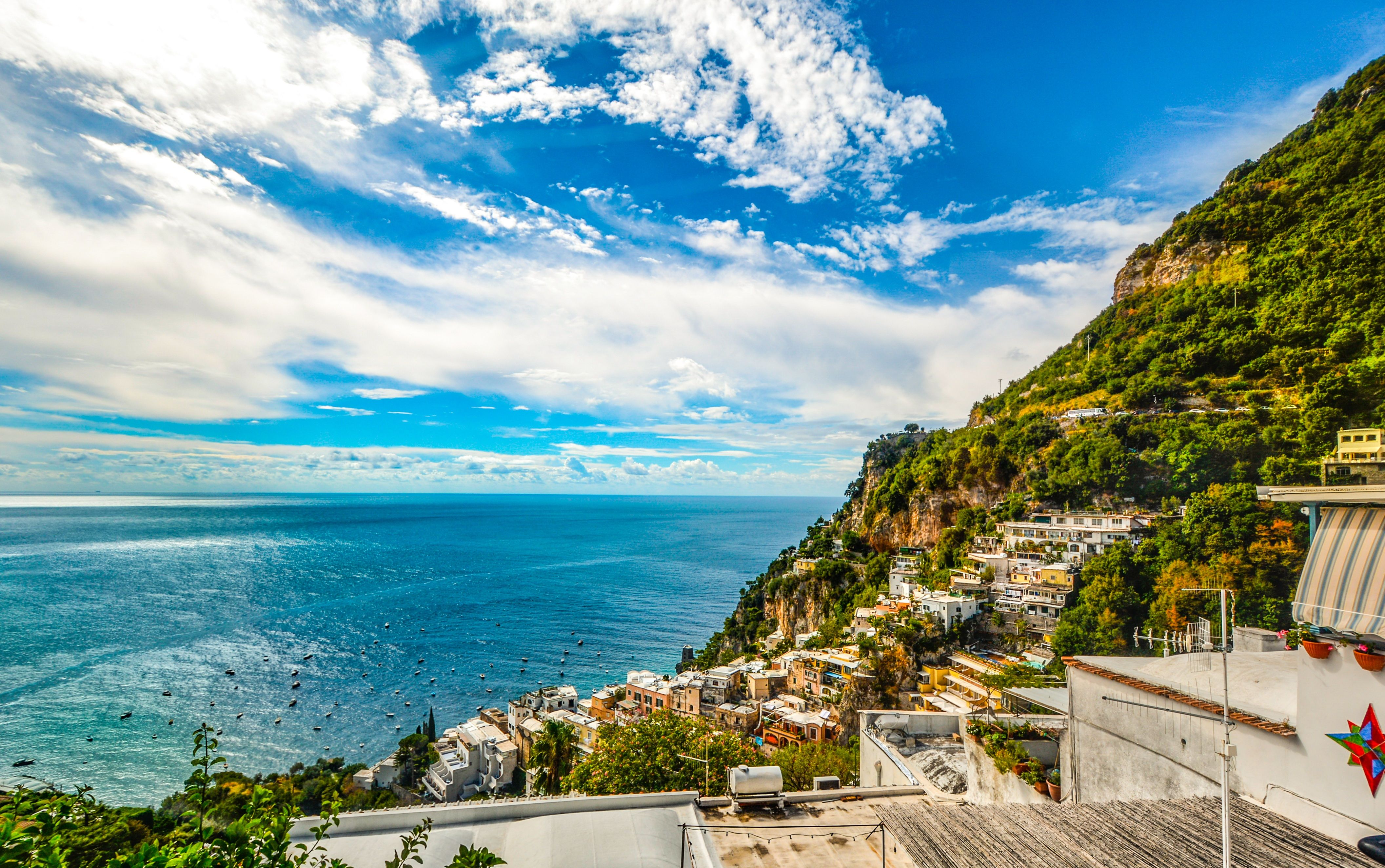
The Amalfi Coast: Worth Every Bit of the Planning It Takes
The Amalfi Coast is one of the most dramatically beautiful stretches of coastline in the world, and I say that having been there multiple times. It's also the most logistically challenging part of Italy to do well, with narrow cliff roads, limited parking, and accommodation that books out a year ahead for peak season.
The good news is that with the right guidance, Amalfi is completely manageable. The best approach is a property in Positano or Ravello, private boat transfers rather than the coastal road, and late May or early September timing. That combination gives you the scenery without the chaos.
Italy Travel Guides
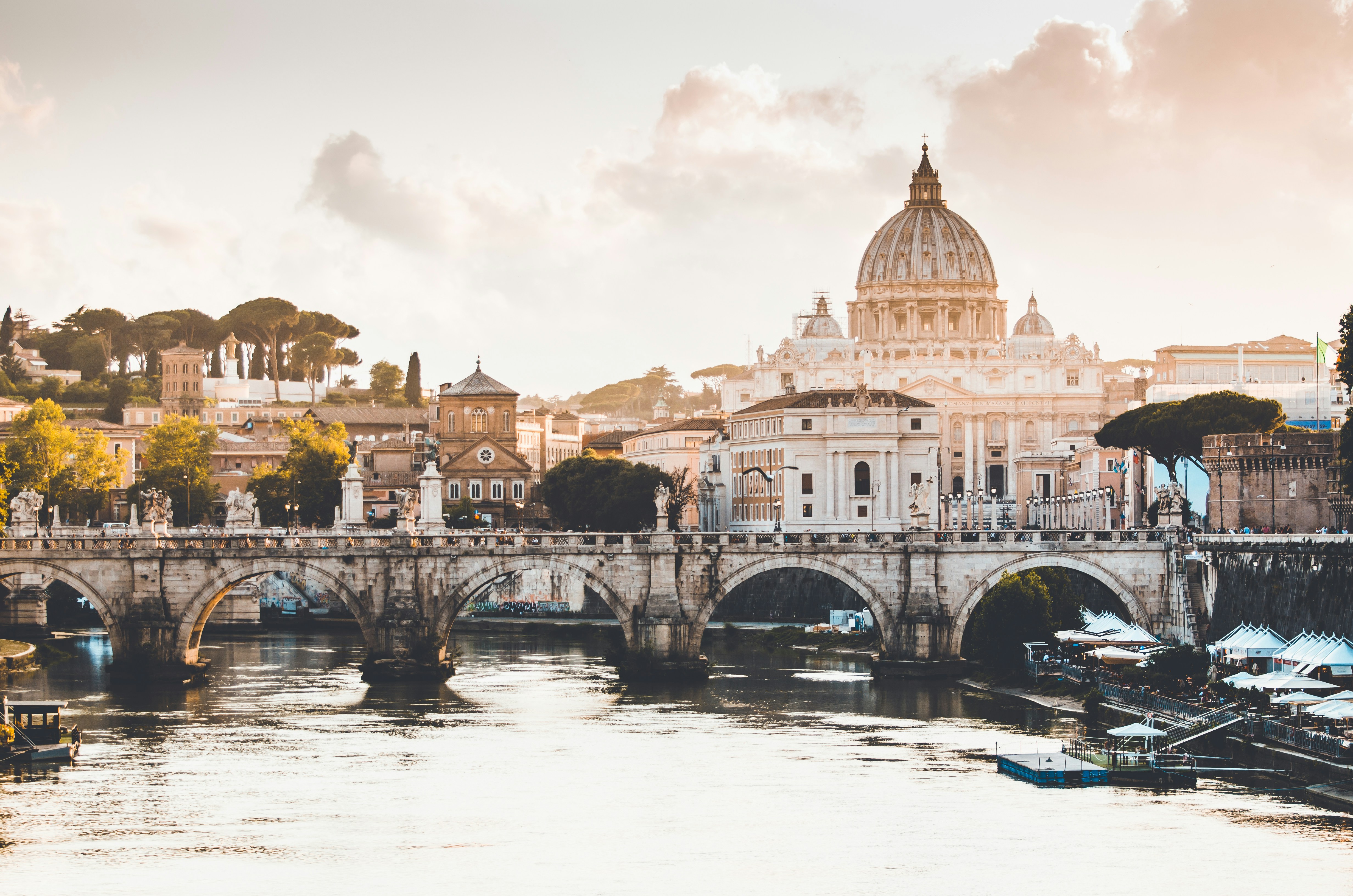
What to Know Before Planning a Trip to Italy
Read the guide →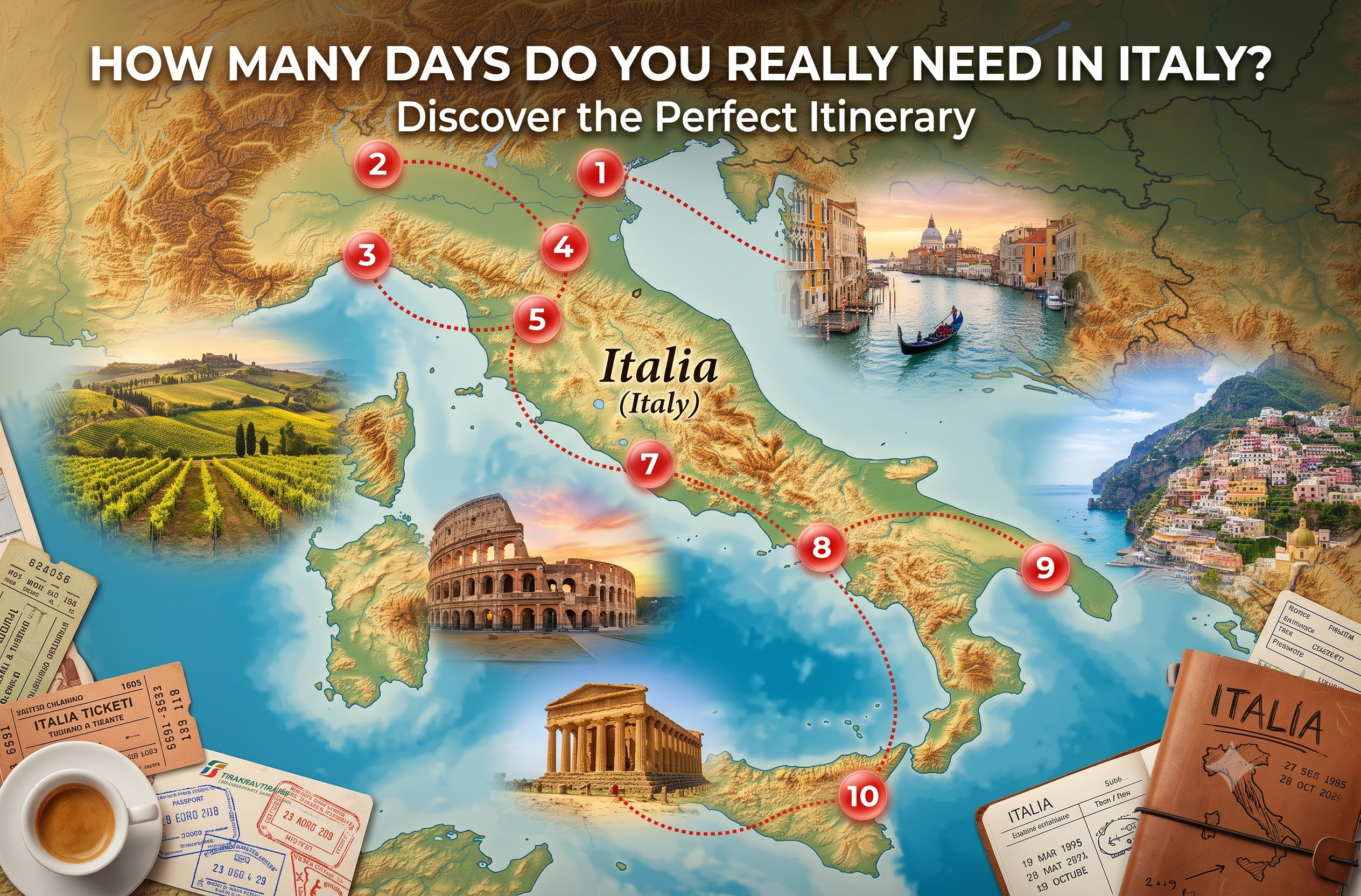
How Many Days Do You Really Need in Italy?
Read the guide →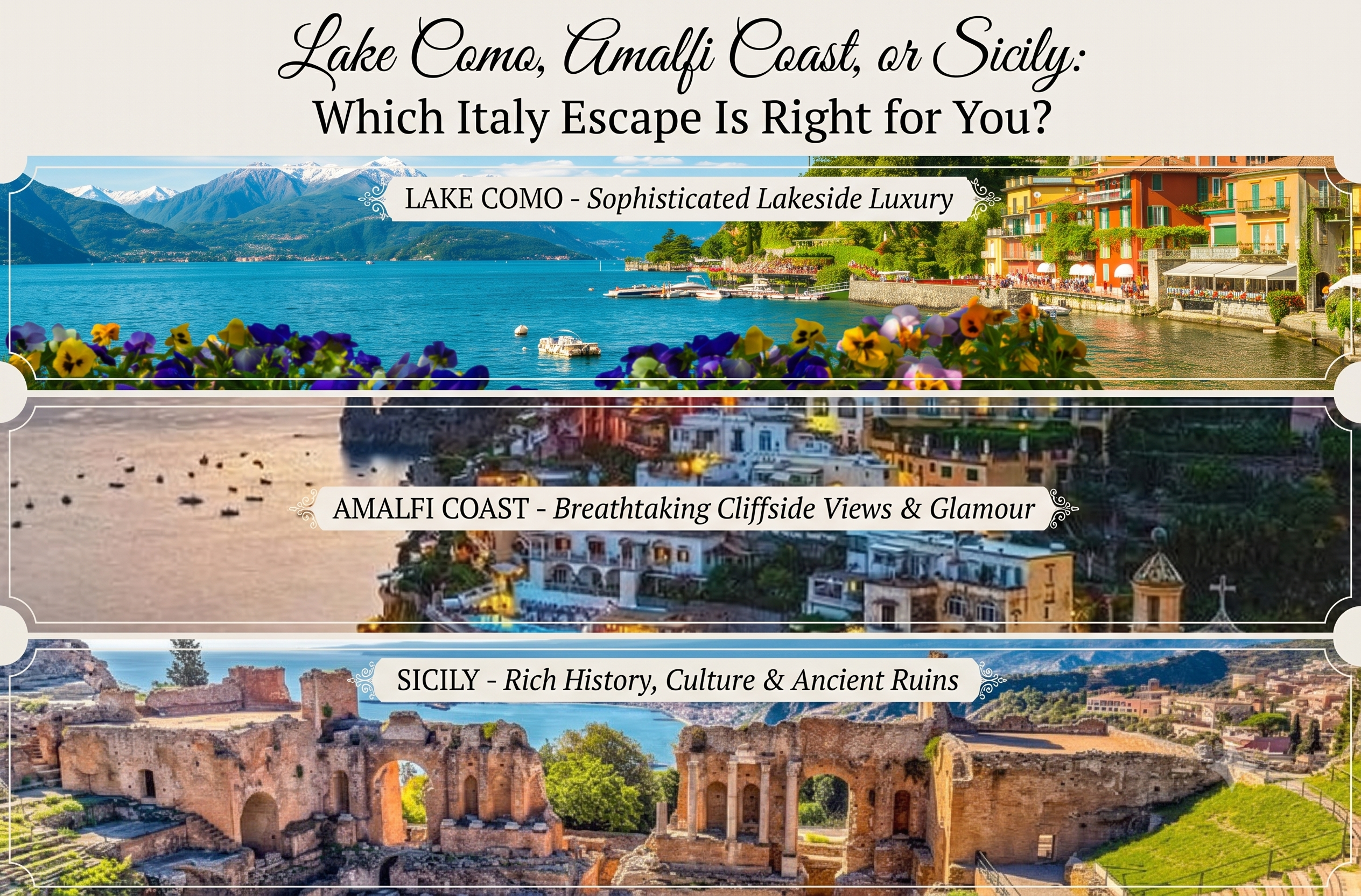
Lake Como, Amalfi Coast, or Sicily: Which Italy Escape Is Right for You?
Read the guide →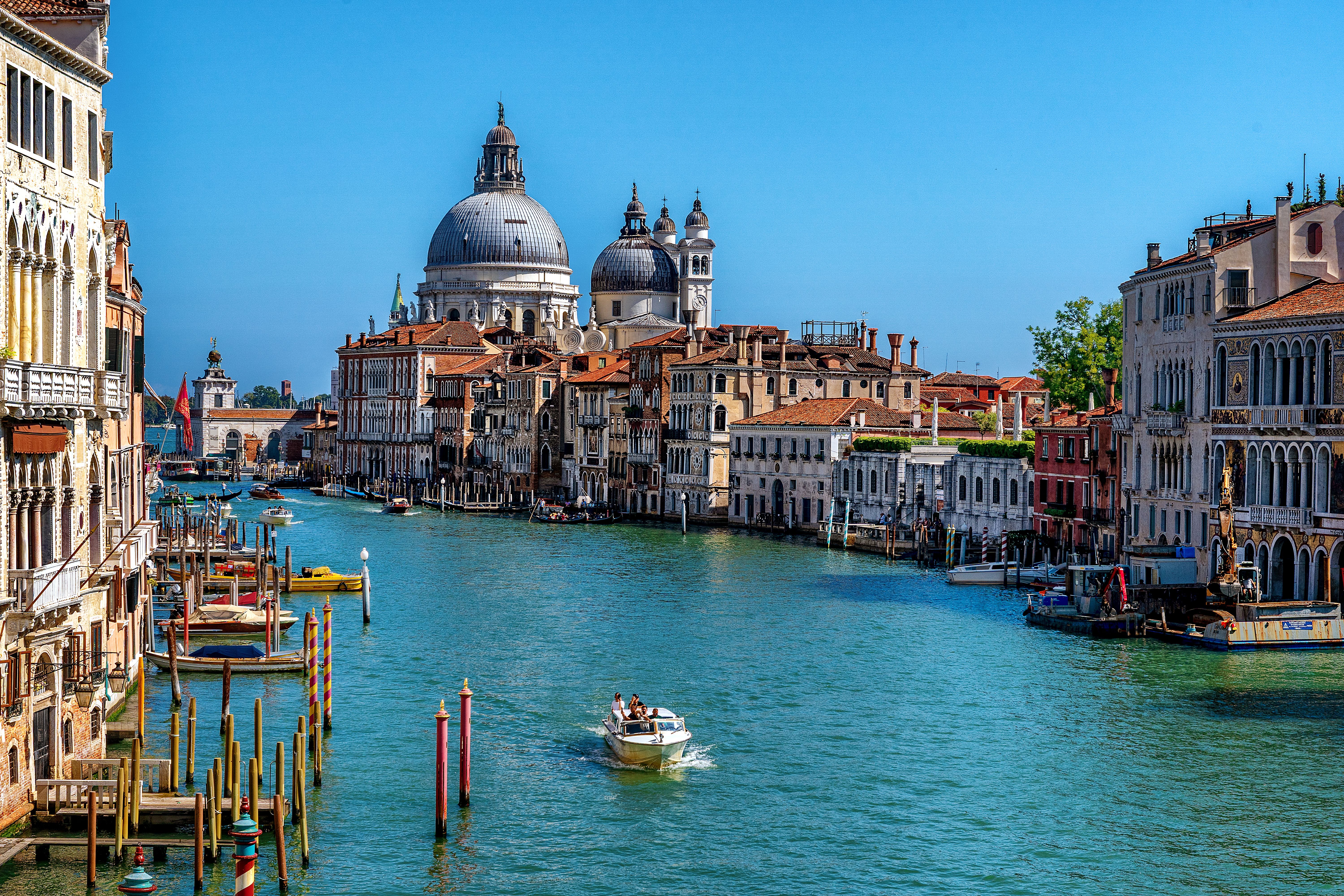
Solo Travel in Italy: Itinerary Ideas for Independent Adults
Explore options →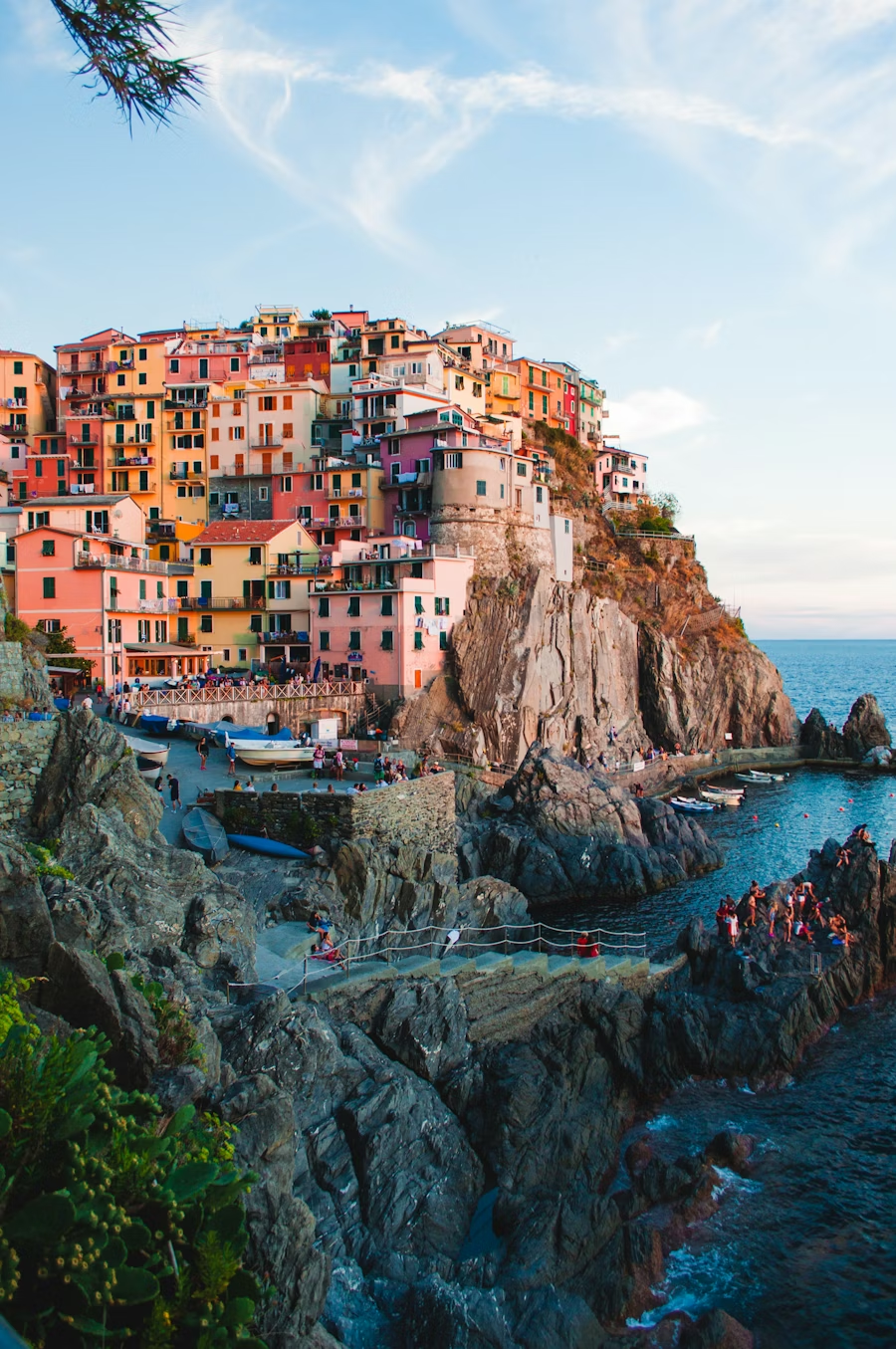
Plan a Custom Italy Itinerary with Sunny Escape Travel
Enquire now →Ready to Plan Your Italy Trip?
Whether it's a Tuscany villa stay, an Amalfi Coast escape, or a multi-region custom tour, I'll build an Italy itinerary around how you actually like to travel. No planning fees, ever.