
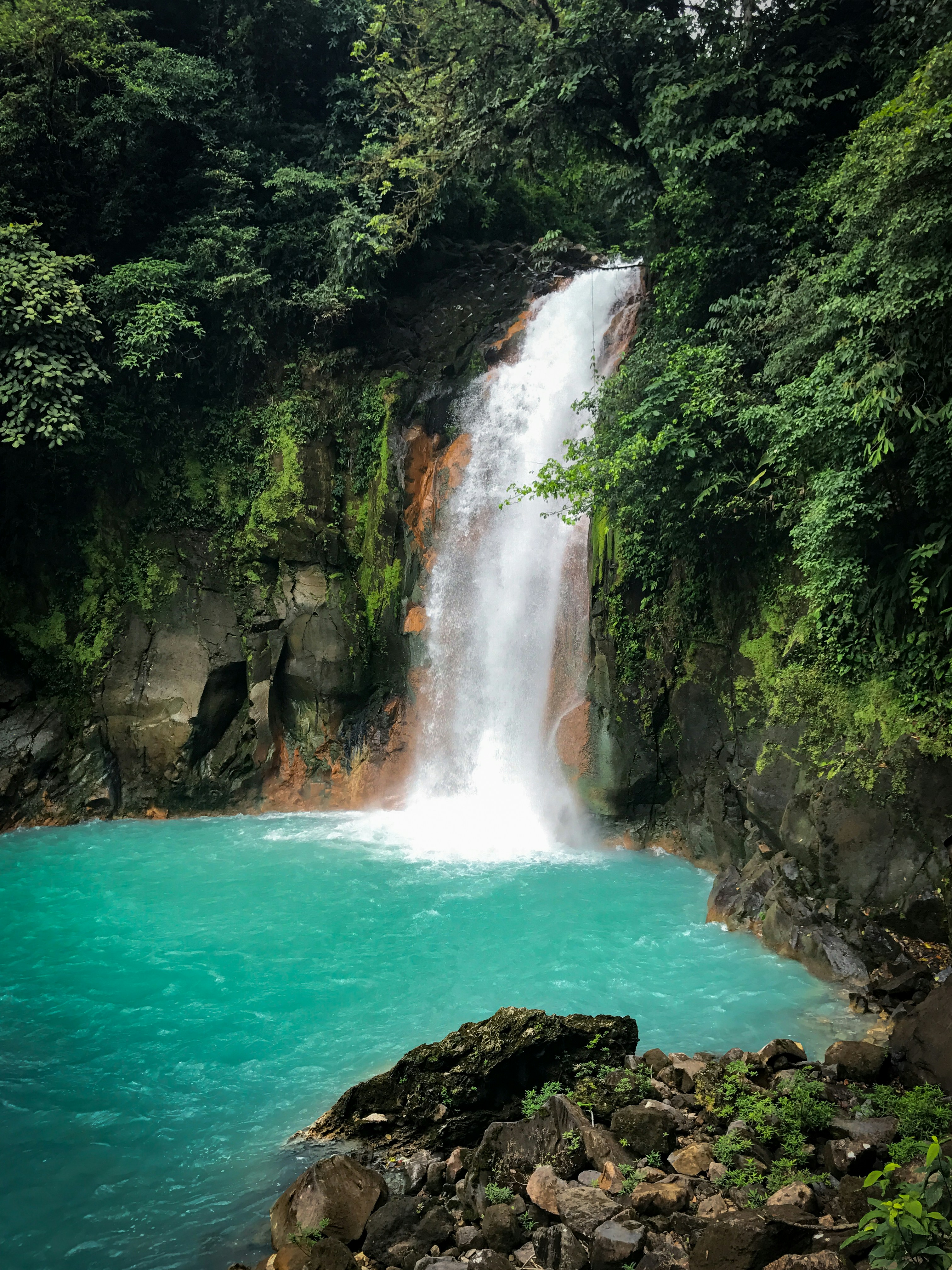
Costa Rica is one of those destinations where the name sells the trip before anyone stops to ask what they actually want from it. You say "Costa Rica" and people picture jungle, wildlife, zip lines, and some version of a beach. All of that is accurate. What's less obvious is that the country has several very distinct regions, and they deliver totally different versions of that experience depending on where you land.
The dry beach town with the adults-only resort isn't the same trip as the rainforest ecolodge near the volcano. They're both valid versions of Costa Rica, but if you book the wrong one for the way you actually want to experience Costa Rica, you'll spend your whole trip wishing you were somewhere else in the same country.
Here's a breakdown of the main regions, what they're actually like, and the kind of traveler each one tends to suit best.
The Main Regions of Costa Rica
Guanacaste and the Gold Coast
Pacific Northwest CoastGuanacaste is the most resort-heavy part of Costa Rica, and for good reason. The Nicoya Peninsula and the stretch of coast around Tamarindo, Flamingo, Conchal, and Papagayo give you reliable dry-season weather from December through April, long sandy beaches, and the highest concentration of polished all-inclusive and boutique resort options in the country. If someone tells you they "went to Costa Rica and stayed at an all-inclusive," there's a very good chance they were in Guanacaste.
The landscape here is drier and more open than the rainforest imagery most people associate with the country. It's sun-drenched, the water is calm on the Gulf of Papagayo side, and the infrastructure is solid. You can fly directly into Liberia (LIR), which is a much easier entry point than San José if your resort is in this region.
Best for: Resort stays, beach relaxation, couples, sun seekers, anyone who wants consistent weather and doesn't need dense jungle everywhere they look.
Manuel Antonio
Central Pacific CoastManuel Antonio is what most people are picturing when they imagine a Costa Rica trip that balances beach and jungle. The national park there is one of the most biodiverse in the world by square kilometer, and you can spot monkeys, sloths, iguanas, and scarlet macaws without going very far. The beach inside the park is beautiful, and the town has a solid restaurant scene and a lively LGBTQ-friendly community.
That said, Manuel Antonio is popular, and popularity has a cost. It gets crowded, especially at the park on weekends and during high season. The road in can be congested, and the experience feels more touristy than some of the wilder, more remote parts of the country. It's a good middle ground for travelers who want wildlife access, a decent beach, and don't want to be completely off the grid.
Best for: First-time Costa Rica visitors, wildlife lovers who also want a beach, travelers who want amenities nearby without going fully resort-mode.
Arenal Volcano and La Fortuna
Northern Inland HighlandsArenal is one of the most dramatic landscapes in Central America. The volcano dominates the skyline, the surrounding area is lush and green year-round, and the options here lean heavily toward adventure and nature. Zip lining, white water rafting, hanging bridges through the cloud forest, hot springs fed by geothermal activity, and wildlife watching in and around Arenal Volcano National Park are all concentrated in this one region.
There's no beach here. Arenal is an inland destination, and it requires a multi-hour drive or domestic flight from either coast. Most travelers combine it with a beach region on either end of their trip, and that structure works well. A few days in the rainforest followed by a few days at a Guanacaste resort, or vice versa, gives you a much fuller experience of what Costa Rica can actually be.
Best for: Adventure travelers, couples who want a dramatic, nature-immersive stay, anyone doing a multi-region trip who wants contrast between their destinations.
The Osa Peninsula and Drake Bay
Southern Pacific CoastThe Osa Peninsula is the most remote and ecologically rich part of Costa Rica. National Geographic has called Corcovado National Park, which covers much of the peninsula, one of the most biologically intense places on earth. If you want to see tapirs, pumas, scarlet macaws in real numbers, and jungle that hasn't been thinned out by tourism infrastructure, the Osa is where you go.
It's not for everyone and it's not meant to be. Getting here involves a combination of small plane, boat, and rough road depending on where exactly you're headed. Accommodations range from rustic ecolodges to a handful of stunning luxury wilderness lodges. The experience is immersive in a way that most of Costa Rica isn't, which is precisely the point for the right traveler.
Best for: Serious nature travelers, adventure-focused couples, anyone who's already done the "easy" Costa Rica trip and wants something more remote and wild.
The Caribbean Coast: Puerto Viejo and Tortuguero
Atlantic SideMost Costa Rica trips don't make it to the Caribbean side, and that's part of what makes it appealing. Puerto Viejo has a completely different energy from Costa Rica's Pacific Coast, laid-back, colorful, and reggae-influenced, with a strong Afro-Caribbean cultural identity and a coastline that feels more raw and less developed. The beaches at Cahuita and Playa Cocles are beautiful in a different way than Guanacaste: darker sand, lush vegetation right to the waterline, and far fewer resort complexes.
Tortuguero is a different kind of experience entirely. It's a canal-laced jungle town accessible only by boat or small plane, best known for sea turtle nesting season and wildlife-rich waterway tours. It's one of the best places in the world to see nesting leatherback or green sea turtles if you're there at the right time of year.
Best for: Travelers who want something off the beaten path, culture seekers, wildlife enthusiasts visiting during turtle season, anyone who wants to see a completely different side of the country.
The Central Valley and San José
Inland Capital RegionMost international flights land at Juan Santamaría International Airport in San José, which means the Central Valley is where a lot of trips start and end. The city itself is worth more time than most travelers give it, and the Mercado Central, the Teatro Nacional, the Gold Museum, and the surrounding coffee country are worth a day or two.
That said, few people build a Costa Rica trip around San José as a primary destination. It's more of a transit hub with good day-trip options, including visits to nearby coffee farms, the Poás Volcano, and the Irazú Volcano. If you have a long layover or you're building in a pre or post night before a domestic flight, the Central Valley is easy and underrated.
Best for: Transit stops, coffee country day trips, travelers who want to add a cultural city element before heading into nature.
A Note on Combining Regions
Costa Rica is a small country but the roads are slow, the terrain is mountainous, and distances take longer than maps suggest. That's worth knowing before you plan an itinerary that tries to cover five regions in ten days. Two to three regions is realistic for most trips of a week to ten days, and the structure matters as much as the destinations themselves.
A common and very effective structure is: fly into Liberia, spend several nights in Guanacaste for beach time, travel to Arenal for adventure and hot springs, and fly out of San José. Or: fly into San José, head to Manuel Antonio for beach and wildlife, finish in Arenal, and fly out of Liberia. Domestic flights (operated by Sansa) make this much more manageable than driving the whole thing.
If you're not sure which combination suits your trip, that's exactly the kind of thing I can help figure out. It makes a significant difference to the overall experience.
Now that you know what each region is like, the next step is figuring out which one, or which combination, is actually right for your trip.
How to Choose the Right Area of Costa Rica for Your Trip →Best For
Couples, families, adventure travelers, wildlife lovers, and anyone trying to match the right region to the kind of trip they actually want.
Planning a Costa Rica Trip?
Tell me how you like to travel, and I'll help build the right itinerary around it.
About the Author

Lauren Cain is a luxury travel advisor specializing in custom trips for adult travelers who'd rather show up than spend forty hours planning. Lauren builds itineraries around how her clients actually like to travel, not a generic template. Every trip is custom, polished, and handled with care from the first idea to the final itinerary. Learn more about working with Lauren.