
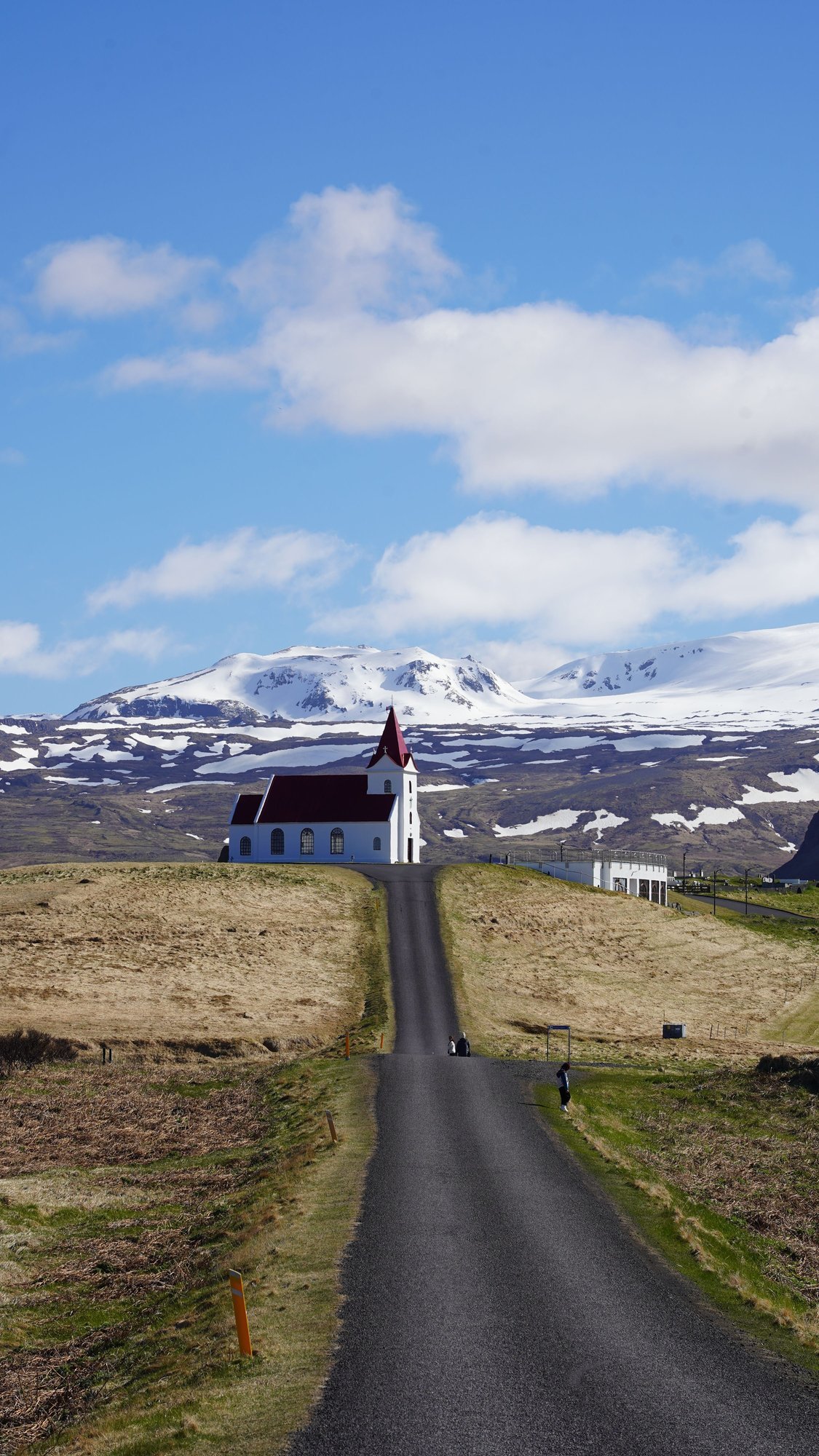
Iceland is a destination where timing matters more than people expect. The same itinerary can feel spacious and golden in June, moody and cozy in February, or pleasantly uncrowded in late September. None of those are wrong, but they are not interchangeable.
The trick is choosing the season based on your priorities, not based on the month your neighbor’s cousin went that one time and “had great weather,” because Icelandic weather is not something that is dependably reliable.
Summer: Best for Long Days and Road Trips
June through August is the easiest season for first-time travelers who want maximum daylight, more accessible roads, greener scenery, and a classic Iceland route. The midnight sun gives you long exploring days, which is wonderful if you want flexibility and slightly dangerous if you're the type of person who forgets dinner exists when there is one more viewpoint nearby.
Summer is also peak season, so the best hotels and tours book early, prices are higher, and the most famous sights will be busier. It's still a fantastic time to go, you just want the itinerary to be intentional.
Winter: Best for Northern Lights and Cozy Drama
November through March is the better window for northern lights, ice caves, snowy landscapes, and that moody Iceland atmosphere people usually mean when they say they want something “different.” Winter can be magical, but it comes with shorter daylight, more weather delays, and driving conditions that may be a little sketchy.
If the northern lights are your main reason for going, read what travelers should really know about seeing the northern lights in Iceland, because the lights are possible, not guaranteed, and clouds are famously rude.
Spring: Best for Fewer Crowds and Shoulder-Season Value
April and May can be excellent if you want fewer crowds and don't mind a transitional feel. You may get lingering winter scenery, longer daylight, and better availability than peak summer. Some remote roads may still be limited, so spring works best when the itinerary is focused rather than overly ambitious.
Fall: Best for Balance
September and October are some of my favorite months to consider because you can get fewer crowds, beautiful light, and later in the season the return of darker nights for aurora potential. The weather can be variable, but that is true in Iceland most of the year, so welcome to the club, please bring a jacket.
Fall can also be a good fit for couples who want an adventurous but cozy trip, especially if you're considering Iceland as a honeymoon destination.
Best Months by Travel Goal
For northern lights, look at late September through March. For road trips and easier driving, June through early September is usually strongest. For fewer crowds, consider May, September, or October. For a quick stopover, almost any season can work if the plan matches the daylight and weather.
The Icelandic Meteorological Office is one of the most useful official resources for weather and aurora conditions once travel is closer, and it's worth checking because Iceland doesn't care what your expectations are.
My Take
If this is your first Iceland trip and you want the simplest planning experience, summer is the easiest answer. If you want northern lights, choose winter or the darker shoulder months and plan a trip that still feels worth it even if the sky doesn't perform on demand. If you want the best balance, September can be a very smart middle ground.
For the basics beyond timing, start with Iceland for first-timers, then decide how much time you want to give the trip.
Best For
Travelers choosing Iceland dates based on northern lights, midnight sun, road trips, crowd levels, or a specific trip style.
Need Help Picking Your Iceland Dates?
I’ll help match your timing to the experience you want, then build the route around the season instead of hoping the season behaves.
About the Author

Lauren Cain is a luxury travel advisor specializing in custom trips for adult travelers who'd rather show up than spend forty hours planning. Lauren builds itineraries around how her clients actually like to travel, not a generic template. Every trip is custom, polished, and handled with care from the first idea to the final itinerary. Learn more about working with Lauren.